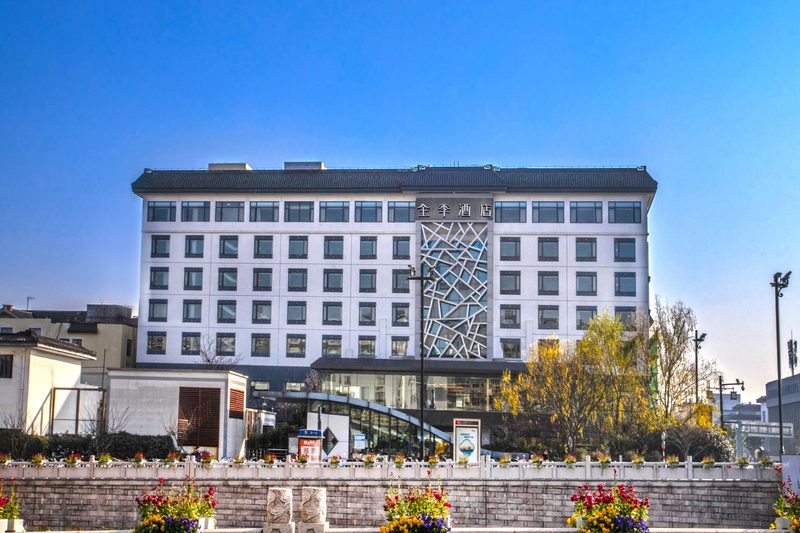
★★★
Budget
JI Hotel (Suzhou Guanqian Street Leqiao Subway Station)
From $52 / night
Check Prices on Trip.com →

August weather, activities, events & insider tips
Temperature, rainfall and humidity at a glance
Weigh the advantages and considerations before booking
Top things to do during your visit
Suzhou's nine UNESCO-listed classical gardens open their gates between 7:00 and 7:30 AM, and in August, the first ninety minutes are the entire ball game. The Humble Administrator's Garden at dawn is a different place than at noon, mist hangs low over the central pond, the lotus blooms are still holding their morning shape before the heat wilts them, and the only sound is birdsong echoing off the whitewashed walls and the occasional swish of a groundskeeper's bamboo broom on wet stone. The Lingering Garden (Liu Yuan), about 3 km (1.9 miles) west, is smaller and more intimate, with covered corridors that frame garden views like scroll paintings, and in early morning light with few visitors, those compositions land the way the Ming Dynasty designers intended. By 9:30 AM the tour bus crowds start arriving and the temperature climbs past comfortable. Plan to be inside a tea house or museum by 10 AM. The trick locals know: buy your tickets online the night before through the official Suzhou Gardens app to skip the morning queue entirely.
Shantang Street (Shantang Jie) runs 3.5 km (2.2 miles) from the old city's Chang Gate to Tiger Hill, and the stretch that matters, the eastern kilometer nearest the gate, comes alive after sunset when the stone-arch bridges light up and the heat finally breaks. The wooden boats that ply this canal are flat-bottomed and narrow, built for these waterways since the Tang Dynasty, and the boatmen still pole them by hand in the quieter sections. August evenings along here carry the smell of fried stinky tofu from the lane-side vendors, the faint sweetness of osmanthus from the courtyard trees, and the lapping of dark water against 600-year-old stone embankments. The temperature drops to around 28°C (82°F) by 8 PM, which is the closest thing to comfortable you will find outdoors all day. The canal narrows as you drift west, passing under bridges so low you instinctively duck, with laundry still hanging from the windows of houses that have been occupied since the Ming Dynasty. Go on a weekday if you can, weekends get packed along the first 500 m (1,640 ft) of the pedestrian street.
When the midday heat flattens the city, duck into the Suzhou Museum for the smartest three-hour escape in town. I.M. Pei built it as a love letter to his birthplace: crisp geometry that mirrors the classical gardens, white walls, rock, and water, all held at a steady 24°C (75°F) that feels like a slap of cool after the street. The permanent collection, Ming calligraphy and Song ceramics, is legitimately excellent, and the garden courtyard behind the main hall, Pei's modern riff on a scholar's retreat, is one of the few outdoor spots in Suzhou where sitting still in August is pleasant instead of punishing. From there, stroll 15 minutes east along Renmin Road to the Suzhou Silk Museum, which tracks 5,000 years of silk, from Neolithic cocoon scraps to working Qing Dynasty looms that docents still crank for demos. The clatter of the wooden frame and the cool slip of raw silk between your fingers, no Wikipedia page can deliver that. Allow 90 minutes for each museum.
Tongli lies 18 km (11.2 miles) southeast of Suzhou's old city and has worked as a canal town since the Song Dynasty, one thousand years of stone bridges, grain warehouses turned teahouses, and locals who still commute by water, not just pose for photos. In August the trick is timing: roll in by 8 AM, before Shanghai tour buses unload around 10, and you'll have the back canals almost to yourself. The Retreat and Reflection Garden (Tuisi Yuan), another UNESCO site tucked into Tongli's eastern corner, is smaller yet more atmospheric than any garden in Suzhou. The entire layout doubles in the central pond, and on a still August morning, with lotus in bloom, the reflection is so exact it momentarily scrambles your sense of up and down. The air carries wood smoke from breakfast stoves and the faint green bite of canal water. Walk the Three Bridges circuit (San Qiao) where locals still cross all three for wedding luck, then grab Tongli's signature zhuangyuan ti, pig trotters braised in soy and rock sugar until they fall apart at a touch, sold from shopfronts that have been perfecting the recipe for generations.
Jinji Lake (Gold Rooster Lake) is Suzhou's modern answer to the old canals, a 7.4 km (4.6 mile) loop around a body of water that didn't exist thirty years ago, now edged by a glass-and-steel skyline that makes first-timers blink twice. In August the lakeside promenade turns into the city's living room after 6 PM, when the temperature eases and the east-shore light show fires up at 8 PM. Fountains dance to music, jets climbing 120 m (394 ft); it sounds cheesy. Yet it lands as spectacle, from the south-shore deck where mist drifts 200 m (656 ft) to cool your face. The Ferris wheel on the east bank cycles through colors that streak across the water. For something calmer, head to Moon Harbor (Yuegang) on the northwest shore, open-air tables where locals attack piles of crawfish and cold beer. August is peak crawfish season in the Yangtze Delta, and the red shells heaped on every table are as seasonal as lotus blooms in the gardens. Sichuan peppercorn and scallion oil perfume the breeze.
Six centuries ago, Kunqu opera first took shape in Suzhou's Kunshan district, making it the oldest surviving form of Chinese opera. UNESCO placed it on the list before the gardens. Watching it inside the Master of Nets Garden (Wangshi Yuan) on a summer evening collapses the centuries between you and the Ming scholars who designed these courtyards for exactly this purpose. The flute and erhu bend and sustain notes in ways Western opera never prepares you for, long, slow phrases that hang in the humid night air across a moonlit courtyard no larger than a tennis court. The performers wear full traditional costume and makeup despite the August heat, a reminder of how seriously the art form is still taken here. The Master of Nets evening garden performances rotate through Kunqu excerpts, folk music, and classical instrument demonstrations across different courtyard pavilions. You walk from stage to stage through the lamplit garden, an experience in itself. Performances run from 7:30 PM to 10 PM and the intimate setting means capacity is limited.
Browse Viator's full catalog of tours, day trips, food experiences, and private guides in Suzhou.
See All Suzhou Tours on ViatorHand-picked hotels across price tiers for August travellers.
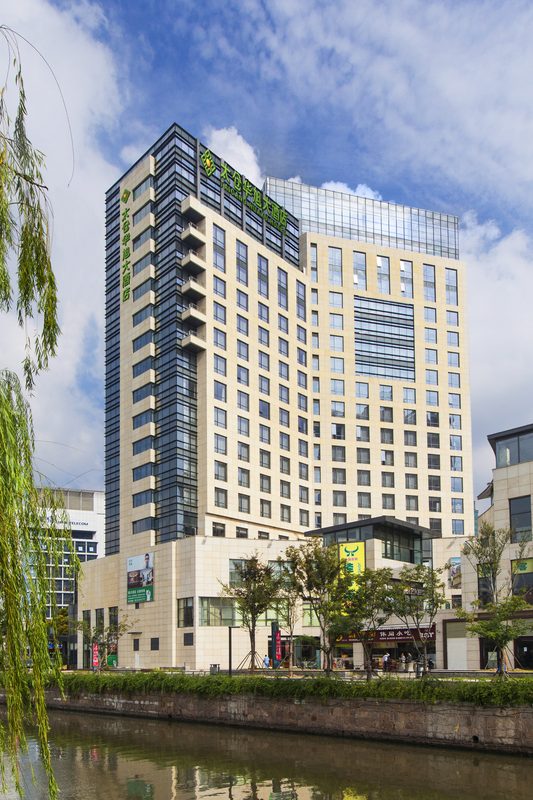
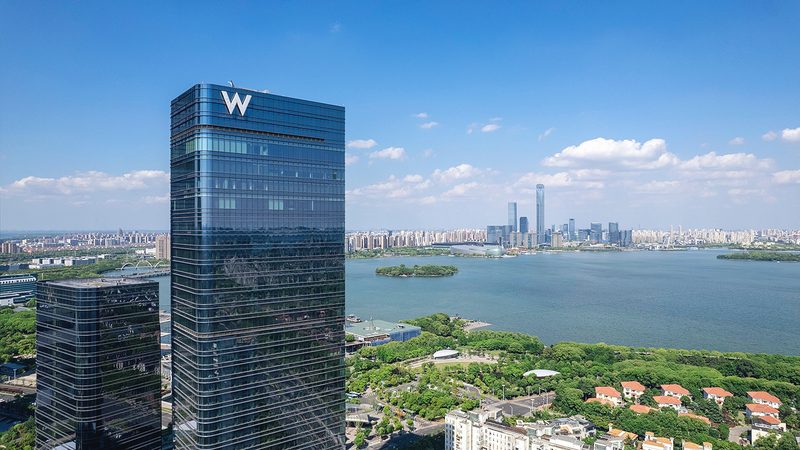
Bookmark this page — your progress is saved between visits
Climate-specific gear, brand recommendations, and what to leave at home.
View Suzhou Packing List →Insider knowledge and common pitfalls to avoid
Now that you've got the research covered, here's where to go next.
Top-rated things to do in Suzhou this August


