Suzhou - Things to Do in Suzhou in July

Things to Do in Suzhou in July

July weather, activities, events & insider tips

Good time to visit Shoulder Season · Good Value

July Weather in Suzhou

Temperature, rainfall and humidity at a glance

91°F (33°C) High Temp
78°F (26°C) Low Temp
6.1 inches (155 mm) Rainfall
70% Humidity
⚠ Heat index can exceed 38°C (100°F) between 1-3pm - plan indoor activities during these hours

Is July Right for You?

Weigh the advantages and considerations before booking

Advantages
  • + Lotus season turns the classical gardens into a scene you will not witness at any other moment. From late June through mid-August the Humble Administrator's Garden packs its central pond with blooming lotus. Arrive before 8 AM and the flowers are wide open, the light is pure gold, and you may share the space with a dozen retirees practicing tai chi instead of four hundred tour groups. The Canglang Pavilion and Master of the Nets Garden are quieter still, and the scent of lotus drifting on the humid air lingers in memory long after photographs fade.
  • + International tourist numbers plunge in July. Chinese school holidays pull in domestic families. Yet foreign visitor counts thin out sharply, so the Suzhou Museum, I.M. Pei's luminous geometric tribute to his hometown, becomes approachable, and you can linger in front of the Song Dynasty paintings without being swept along by a crowd. The ratio of locals to tourists tilts in your favor, and the city feels more like a living place than a stage set.
  • + Summer night culture wakes up in ways it simply does not in spring or autumn. Several major gardens open for evening sessions with traditional Kunqu opera staged against lit pavilions and still water, the Humble Administrator's and Master of the Nets Garden both run night programs in peak summer. Shantang Street's canal-side restaurants shove tables outdoors after dark, paper lanterns mirrored on the water, and the temperature finally eases enough that walking turns pleasant rather than punishing.
  • + Seasonal Suzhou food peaks in July. This is when you eat lotus seed soup served cold, when restaurants along Guanqian Street and Fengmen roll out summer-specific dishes like liangban (cold-tossed) noodles with sesame and vinegar, and when biluochun green tea, grown on Dongting Mountain just west of the city, is brewed cold and poured from glass pitchers at every teahouse. The yangmei (Chinese bayberry) season overlaps with early July if you are lucky, and stalls sell them in small baskets, their dark crimson skin staining your fingers.
Considerations
  • − The heat is no joke, and it is the suffocating kind. Suzhou sits in the Yangtze Delta, so humidity pushes the 33°C (91°F) temperatures toward 38-40°C (100-104°F) by early afternoon. Walking between gardens, even when they are only 1 km (0.6 miles) apart, leaves you drenched. By 1 PM, the urge to retreat into air conditioning shifts from preference to survival instinct. If you are sensitive to heat, this is difficult.
  • − The first half of July often catches the tail end of meiyu, the plum rain season that blankets the Yangtze Delta in intermittent, sometimes heavy rainfall from mid-June onward. It is not the dramatic tropical downpour-and-clear-sky pattern of Southeast Asia. It is a grey, damp, occasionally days-long drizzle that turns garden paths slippery and makes the canals smell stronger than usual. Meiyu typically breaks around July 10-15, yet nature does not read calendars, and some years it lingers into the third week.
  • − Chinese school summer holidays begin in early July, and domestic tourism surges at the marquee sites. The Humble Administrator's Garden, Tiger Hill, and Pingjiang Road all hit their highest Chinese visitor counts of the year. Weekends are noticeably worse than weekdays. This does not make the city unvisitable, it simply means you need to be strategic about timing, hitting the major gardens at opening (7:30 AM) and saving afternoons for museums or less-trafficked sites.

Best Activities in July

Top things to do during your visit

Classical Garden Lotus Tours at Dawn

July is lotus month in Suzhou's UNESCO-listed gardens, and the only sane way to experience them is to be standing at the entrance when the gates open. The Humble Administrator's Garden, the largest and most celebrated, fills its eastern and central ponds with lotus varieties that bloom fully in the cool of early morning and begin closing by midday heat. At 7:30 AM, light filters through the latticed windows of the Thirty-Six Pairs of Mandarin Duck Hall, strikes the water, and the lotuses look as though a Song Dynasty painter placed them there. The air carries the scent of wet stone, pond water, and the faintly sweet perfume of the flowers. By 10 AM, the tour buses arrive. By noon, the lotuses have shut. The Canglang Pavilion, Suzhou's oldest garden, dating to 1044, receives a fraction of the foot traffic and its wild, overgrown aesthetic feels entirely different from the manicured precision of the bigger gardens. Visit two or three over consecutive early mornings rather than trying to marathon them in heat.

Booking Tip: Licensed guided garden tours are available through booking platforms, look for small-group options with morning departure times, ideally before 8 AM. Book three to five days ahead in July to secure morning slots. Many tours combine two or three gardens with air-conditioned transport between them, which in July heat is worth every yuan. See current options in the booking section below.
Evening Canal Boat Cruises on the Grand Canal

Suzhou's canals are the reason the city earned the 'Venice of the East' comparison a thousand years before Venice had tourists, and July evenings, when the heat finally breaks around 6 PM and the stone bridges light up, are arguably the finest time to be on the water. Boats depart from Shantang Street's wharf for circuits through the old canal network, passing under arched bridges where locals sit fanning themselves, past whitewashed houses with laundry hanging from bamboo poles, and alongside waterside restaurants where the clatter of woks carries across the water. The temperature on the canal runs 3-4°C (5-7°F) cooler than street level, and the breeze off the water is the closest thing to natural air conditioning you will find. The route passes the Panmen Gate, a combined land-and-water gate from 500 BC, one of the oldest surviving city gates in China, which looks dramatically better lit at night than in the flat afternoon light.

Booking Tip: Evening departures from 6:30 to 8 PM vanish first in July. Lock in your seat two to three days early through licensed operators. Sunset runs deliver the most drama on the water. Skip the rock-bottom group deals, they cram the deck until you can't move. Find live canal tour schedules in the booking section below.
Day Trip to Tongli Water Town

Tongli lies 18 km (11 miles) southeast of Suzhou and shows what the old canal city looked like before concrete towers muscled in, low stone houses pressed against narrow waterways, arched bridges you can cross in four strides, and a rhythm that makes central Suzhou feel rushed. In July the private gardens explode with summer green, and the Retreat and Reflection Garden (a UNESCO site on its own) is compact enough to explore in the cool of its shaded corridors without the crush found at Suzhou's larger gardens. Heat thins the tour-bus ranks compared with spring or autumn, and by late afternoon the day-trippers have vanished, leaving canal-side teahouses to you and the locals. The boat ride through Tongli's canals is shorter and more personal than Suzhou's, your boatman slides the craft through gaps between buildings barely wider than the hull.

Booking Tip: Organized day trips from Suzhou with air-conditioned transport beat the July furnace, the alternative is a 45-minute public bus that might or might not have working AC. Reserve two to three days ahead. Packages that fold in both Tongli and the Retreat and Reflection Garden entrance give the best return. Scan current options in the booking section below.
Suzhou Museum and Pingjiang Road Cultural Walk

I.M. Pei shaped the Suzhou Museum as a love letter to his hometown, and the result is unmistakable, white walls, grey slate, and water courtyards arranged in crisp geometry that reimagines classical garden design through a modernist eye. The galleries stay cool, quiet, and hold Ming and Qing Dynasty pieces: jade so fine it seems lit from within, calligraphy scrolls that stop you mid-step. In July this is your midday refuge when the gardens turn brutal. The museum backs straight onto the Humble Administrator's Garden, and Pingjiang Road, an 800-year-old canal street stretching 1.6 km (1 mile) south from the entrance, delivers the city's finest walk. Buildings lean close enough to throw shade for most of the day. Teahouses serve cold-brewed biluochun in tall glasses sweating beads of condensation. Pingtan, the Suzhou storytelling art backed by pipa and sanxian, floats from open doorways. Several houses along Pingjiang Road stage afternoon shows in air-conditioned rooms.

Booking Tip: The Suzhou Museum demands advance reservations through its official site, morning slots disappear three to five days ahead in July, so move early. Guided cultural walks that stitch together the museum, Pingjiang Road, and a pingtan set are sold on booking platforms. They handle tickets and timing for you. See what's live in the booking section below.
Kunqu Opera Night Garden Performances

Kunqu was born in the Kunshan area just east of Suzhou more than 600 years ago, and it remains the oldest surviving form of Chinese opera, slower, more refined, and musically denser than the Peking opera most visitors know. In July the Master of the Nets Garden hosts evening shows in its courtyard: singers deliver excerpts from classic Kunqu pieces against lit pavilions, rockeries, and water. A bamboo flute (dizi) threads across the garden pond at night while cicadas keep time, an experience so precise it feels staged. Yet it has unfolded here for centuries. The performance moves between pavilions, and you follow the cast through the grounds, experiencing the garden as it was meant to be seen: one framed view after another.

Booking Tip: Night garden tickets disappear fast in peak summer, secure yours at least a week ahead. Organized cultural evening tours that bundle garden entry, the show, and English background are sold through booking platforms; they're worth the price if your Mandarin is thin, since the sung poetry is classical Chinese even locals wrestle with. See current availability in the booking section below.
Silk Heritage and Workshop Experiences

Suzhou has ranked as China's silk capital for over two thousand years, and the claim holds, high-end silk still rolls off local looms, and the craft network is authentic, not rebuilt for tourists. The Suzhou Silk Museum tracks the full chain from silkworm to finished embroidery with working looms and live demos, and the air-conditioned halls make July bearable. Suzhou embroidery (Su xiu) stands among China's four great embroidery traditions, and workshop sessions where you learn basic stitches from trained hands run in the old town. Classes are small, indoor, and quiet, a sharp shift from open-air garden circuits. Hold a piece of genuine Suzhou double-sided embroidery, identical and flawless on both faces, and you grasp why the craft outlasted dynasties. July's indoor tilt turns these textile sessions into the main draw rather than a rainy-day fallback.

Booking Tip: The silk museum welcomes walk-ins, but organized experiences that add workshop time and access to working studios need three to four days' notice in July. Hunt for packages that pair the museum with a hands-on embroidery table. Scan live options in the booking section below.
Explore More Activities in Suzhou

Didn't see anything interesting yet?

Browse Viator's full catalog of tours, day trips, food experiences, and private guides in Suzhou.

See All Suzhou Tours on Viator

Where to Stay in Suzhou in July

Hand-picked hotels across price tiers for July travellers.

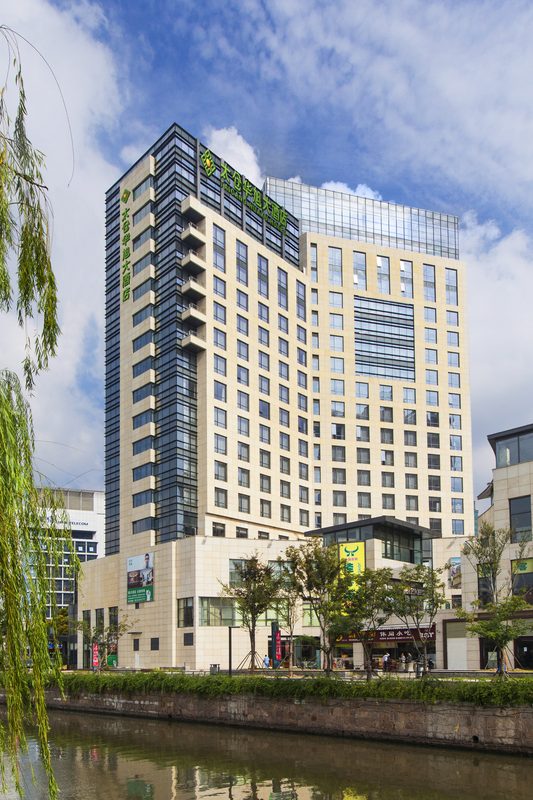
JI Hotel (Suzhou Guanqian Street Leqiao Subway Station) in Suzhou
★★★ Budget

JI Hotel (Suzhou Guanqian Street Leqiao Subway Station)

9.7 Excellent · 2908 reviews
From $52 / night
Check Prices on Trip.com →

Packing Checklist

Bookmark this page — your progress is saved between visits

Need the full list with shopping links?

Climate-specific gear, brand recommendations, and what to leave at home.

View Suzhou Packing List →

Essential Tips

Insider knowledge and common pitfalls to avoid

Insider Knowledge
The gardens run on a rhythm most visitors miss. Tour buses from Shanghai, only 25 minutes away by high-speed rail, roll in between 9:30 and 10 AM and vanish by 3 PM. The sweet spot lies between gate opening at 7:30 AM and the first bus wave, when silence returns and design details reveal themselves: a moon gate framing a bamboo stand, the shifting pitch of water across the Humble Administrator's Garden's linked pools. Set the alarm. The payoff is pure calm. Suzhou menus in July speak a seasonal dialect that English translations rarely capture. Ask for fengtang (wind-blown candy, a fragile sugar sculpture), sesame-paste cold noodles sharpened with black vinegar, and any dish labeled liangban (cold-dressed). Songshugui, the squirrel-shaped mandarin fish in sweet-and-sour sauce scattered with pine nuts, stays on year-round, yet locals pivot to lighter plates: Taihu Lake white fish steamed with ginger, chilled tofu-skin rolls, lotus root stuffed with glutinous rice then sliced to show a pink web. Guanqian Street's oldest kitchens serve these without prompting. At newer spots, request xialingcai, summer seasonal dishes, to land the good plates. The high-speed train from Shanghai to Suzhou takes 25 minutes and runs roughly every 15 minutes from Hongqiao Station. This changes how you should think about Suzhou, it's not necessarily a destination that requires overnight stays, and many savvy travelers base themselves in Shanghai (more hotel options, better nightlife) and treat Suzhou as a series of day visits. That said, staying overnight in the old town means you can hit the gardens at dawn and catch the night performances, which the day-trippers from Shanghai can't do. The calculation depends on whether you want convenience or immersion. The Suzhou weather in July breaks into two distinct phases that most travel guides treat as one. The first week to ten days often still carry the meiyu (plum rain) pattern: overcast, intermittent drizzle, grey skies, temperatures around 28-30°C (82-86°F), unpleasant but manageable. Once meiyu breaks, locals track this transition obsessively. It makes the evening news, the clouds clear and you get the real summer: blazing sun, 33-35°C (91-95°F), UV that burns through thin cloud cover, and the specific heavy stillness of Yangtze Delta midsummer. Planning your trip for the second half of July means more reliable sunshine but more intense heat. Planning for the first half means cooler temperatures but grayer skies and rain risk. Neither is objectively better; they're different trips.
Avoid These Mistakes
Scheduling garden visits at midday because that's when it fits the itinerary. By noon in July, the gardens are simultaneously at peak crowd density (Chinese domestic tour groups schedule around lunch) and peak heat. The combination of 33°C (91°F) sun, no shade in the open courtyard sections, and hundreds of people transforms what should be a contemplative experience into an endurance test. Flip your schedule: gardens at dawn, museums and silk workshops from 11 AM to 3 PM, canals and night gardens after 5 PM. Underestimating how quickly the Shanghai-Suzhou corridor fills up on weekends. Friday afternoon through Sunday, the high-speed trains run at near capacity and Suzhou's major sites see two to three times the weekday visitor numbers. If your dates are flexible, a Tuesday-Thursday visit in July gives you a different experience from a Saturday-Sunday one. The gardens feel almost empty on a Wednesday morning. They feel like a theme park on Saturday. Trying to see all the major gardens in a single day. The Humble Administrator's Garden alone deserves 90 minutes to two hours if you're looking at the architecture and not just photographing it, and walking between gardens in July heat, even though they're clustered within 2 km (1.2 miles) of each other, is exhausting. Two gardens per day is the realistic maximum before diminishing returns set in. The gardens also start to blur if you visit too many in sequence without the cultural context to distinguish them, the Canglang Pavilion's wild naturalism and the Lingering Garden's theatrical framing are telling entirely different stories. But you won't notice if you're heat-dazed and rushing.

Book Experiences in Suzhou

Top-rated things to do in Suzhou this July