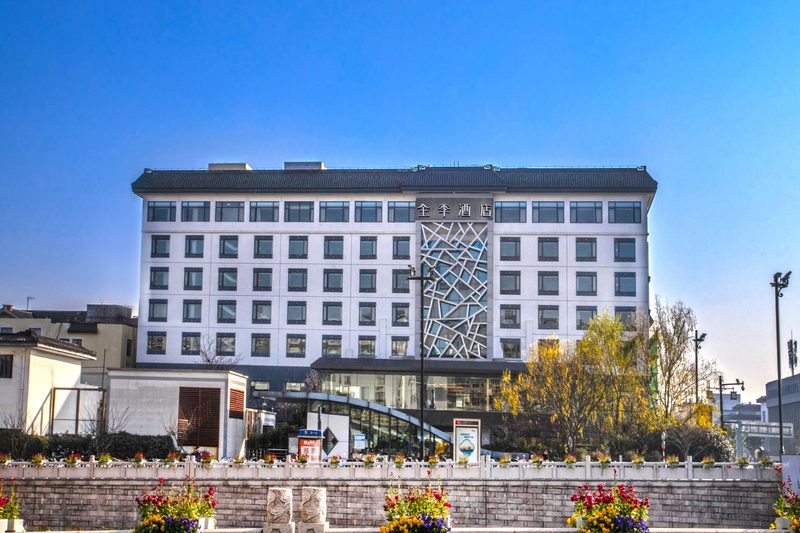
★★★
Budget
JI Hotel (Suzhou Guanqian Street Leqiao Subway Station)
From $52 / night
Check Prices on Trip.com →

September weather, activities, events & insider tips
Temperature, rainfall and humidity at a glance
Weigh the advantages and considerations before booking
Top things to do during your visit
September mornings in Suzhou's UNESCO-listed gardens come as close to time travel as you'll find short of Kyoto. The Humble Administrator's Garden, 500 years old, 5.2 hectares (12.8 acres) of linked ponds, pavilions, and rockeries, opens at 7:30 AM, and for the first 45 minutes, before tour buses roll in, you hear only birdsong and the hollow tap of a gardener's bamboo rake on stone. The Lingering Garden, ten minutes west by taxi, is smaller yet more intricate, with corridor windows framing garden views like scroll paintings. In September, lotus ponds reach their last bloom, osmanthus starts to perfume the walkways by month's end, and Chinese scholar trees filter sunlight into soft green-gold. Limit yourself to two gardens a day, they demand slow attention, and after three they blur into a maze of rockeries and moon gates.
Tongli lies 18 km (11 miles) south of Suzhou's city center, close enough for a half-day escape, distant enough to feel centuries removed. Unlike Zhouzhuang, polished to commercial gloss, Tongli keeps a working-town texture: laundry flaps over canals, old men deal cards on stone bridges, and the Tuisi Garden (a UNESCO site built in 1885) is compact enough to tour in 40 minutes without hurry. In September the town is far quieter than summer, and the late-afternoon light on the water, that amber glow when the sun slips below tiled eaves, makes the main-canal boat ride alone worth the detour. The humidity is real. Stone lanes trap heat, and by midday you'll crave a seat under a fan somewhere cool.
Late September is the reason food pilgrims circle the calendar. Yangcheng Lake, 30 km (19 miles) northeast of the old town, yields the crabs Chinese gourmets rank above every other freshwater catch: compact, belligerent, green-shelled beasts packed with sweet meat and molten golden roe. The official harvest kicks off in late September, and the string of restaurants along the eastern shore serves them straight from the traps, steamed, still twitching, alongside aged black vinegar, matchstick ginger, and warm Shaoxing wine that slices cleanly through the roe's richness. Eating hairy crab is hands-on theater: crack, scoop, sip, wipe vinegar from your chin with the back of your hand. It is one of China's great seasonal rituals, and tasting it at the source, 30 minutes from lake to plate instead of 30 hours in a foam box, is the entire point of the trip.
Pingjiang Road shadows a 1,100-year-old canal through Suzhou's old town. Stroll its 1.6 km (1 mile) at dusk in September, when the flagstones still hold the day's heat yet the breeze has finally turned, and you will grasp why Song-dynasty poets never quit singing about this place. The canal is so narrow you could lob a tangerine across it, and the houses, white walls, dark beams, upturned eaves, look much as they did under the Ming. Late September vendors set out osmanthus jelly and osmanthus rice cakes. The flower's perfume drifts over the damp stone of the banks. The southern end spills into the Suzhou Museum, and stringing the two together, canal walk into I.M. Pei's crisp geometry of gray stone and still water, delivers an afternoon that needs no printed plan. Pingjiang Road costs nothing to enter and ranks among the best free things to do in Suzhou, full stop.
Tiger Hill (Huqiu) lifts just 36 m (118 ft) above the Suzhou plain. Yet its reputation towers higher. The leaning Cloud Rock Pagoda on top, built in 961 CE, tilting more sharply than Pisa's tower relative to its height, stands ringed by 2,500 years of legend: the tomb of the King of Wu, a sword-testing rock split clean in two. September favors photographers. The hillside gardens are dense with osmanthus, camphor, and ginkgo still locked in late-summer green against gray stone paths. Beyond Tiger Hill, the tea villages on Taihu Lake's western shore, Dongshan and Xishan peninsulas, 40 km (25 miles) southwest, grow Biluochun, one of China's ten famous teas. September visits to the terraced bushes bring cooler air, lake breezes, and a hush missing during spring harvest, when half of Shanghai storms in for weekend tea runs.
Suzhou gave birth to Kunqu, the oldest surviving form of Chinese opera, UNESCO-recognized, 600 years old, performed at a tempo so deliberate that Peking Opera feels rushed beside it. The singing is high and nasal, backed by bamboo flute (dizi) and pipa lute, and the hand gestures are choreographed down to the fingertips. Trained spectators read each angle like subtitles. September performances in old-town halls double as cool refuge from the afternoon heat, and the tiny stages, some seat fewer than 100, put you close enough to see silk embroidery shimmer and hear the singers draw breath between phrases. Even without Mandarin, the physical language carries the story. Watching Kunqu in its hometown rings with an authenticity no Beijing or Shanghai staging can match.
Browse Viator's full catalog of tours, day trips, food experiences, and private guides in Suzhou.
See All Suzhou Tours on ViatorHand-picked hotels across price tiers for September travellers.
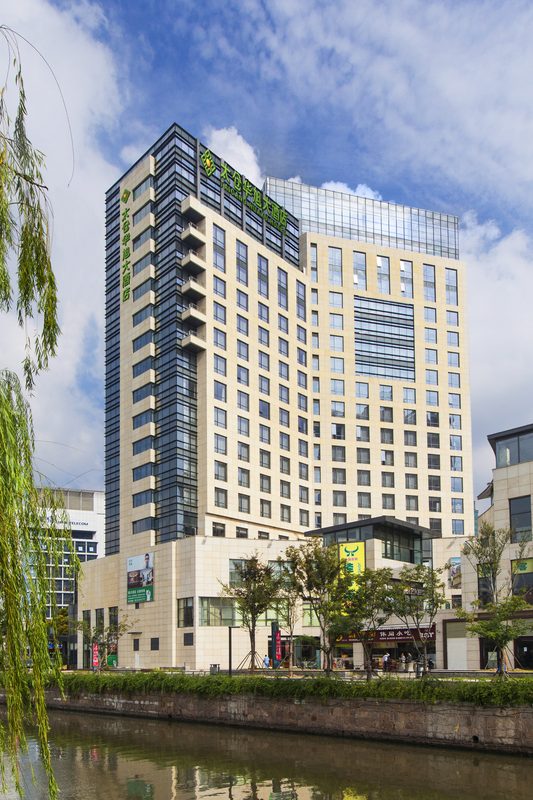
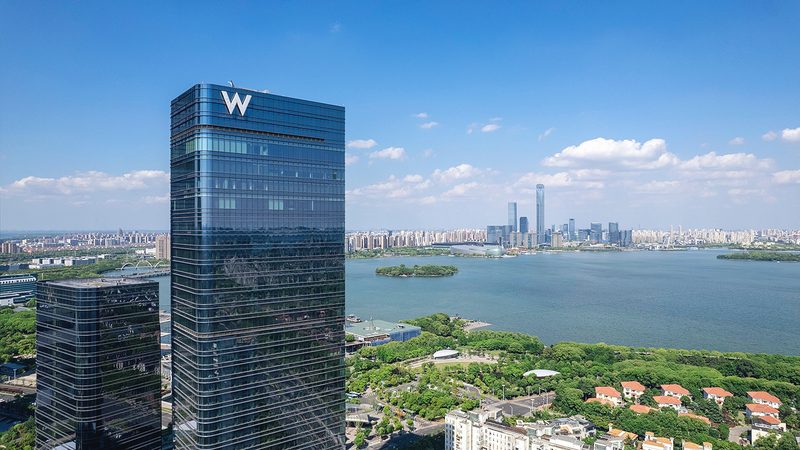
Dates that affect opening hours, transport and crowds
Known in English as Mid-Autumn Festival. Observed nationwide as a public holiday.
Known in English as Mid-Autumn Festival. Observed nationwide as a public holiday.
Bookmark this page — your progress is saved between visits
Climate-specific gear, brand recommendations, and what to leave at home.
View Suzhou Packing List →Insider knowledge and common pitfalls to avoid
Now that you've got the research covered, here's where to go next.
Top-rated things to do in Suzhou this September


